
Common Plant Care Mistakes Beginners Make and How to Avoid Them
Starting a journey with indoor plants often feels exciting in the beginning, but many beginners quickly face unexpected challenges that lead to unhealthy or dying plants. Most of these problems are not caused by lack of effort but by misunderstanding basic plant needs such as water, light, soil condition, and environmental stability. Learning these fundamentals early can completely change the outcome of plant care and help create a more successful and enjoyable experience with indoor greenery over time.
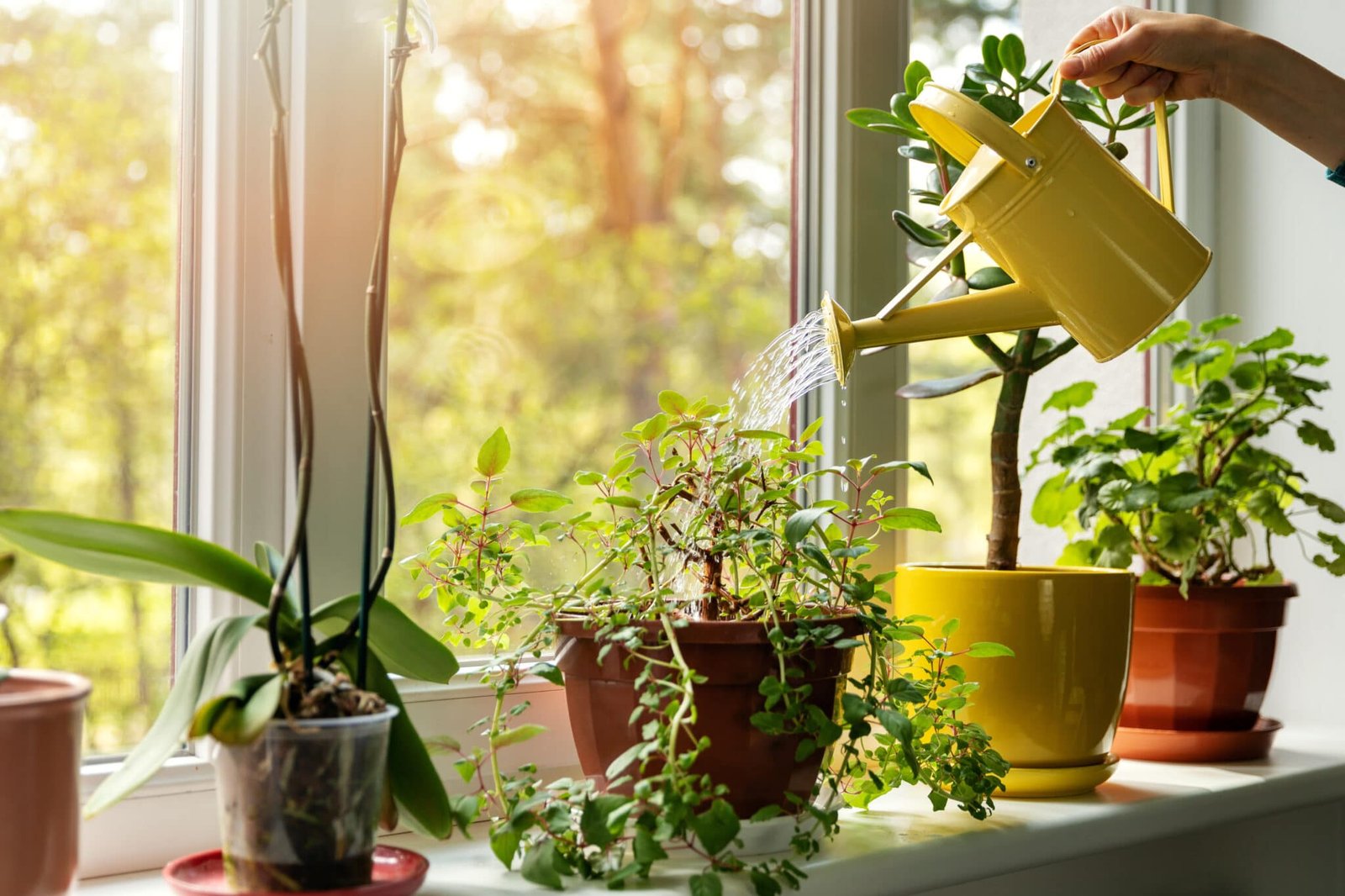
One of the most common mistakes beginners make is overwatering plants, assuming that more water will automatically result in better growth. In reality, most indoor plants suffer more from excess water than from dryness. Overwatering leads to root damage, poor oxygen flow in soil, and eventual plant decay. Understanding the natural water cycle of plants and adjusting watering frequency based on soil moisture rather than fixed schedules is essential for maintaining healthy growth and long-term plant stability.
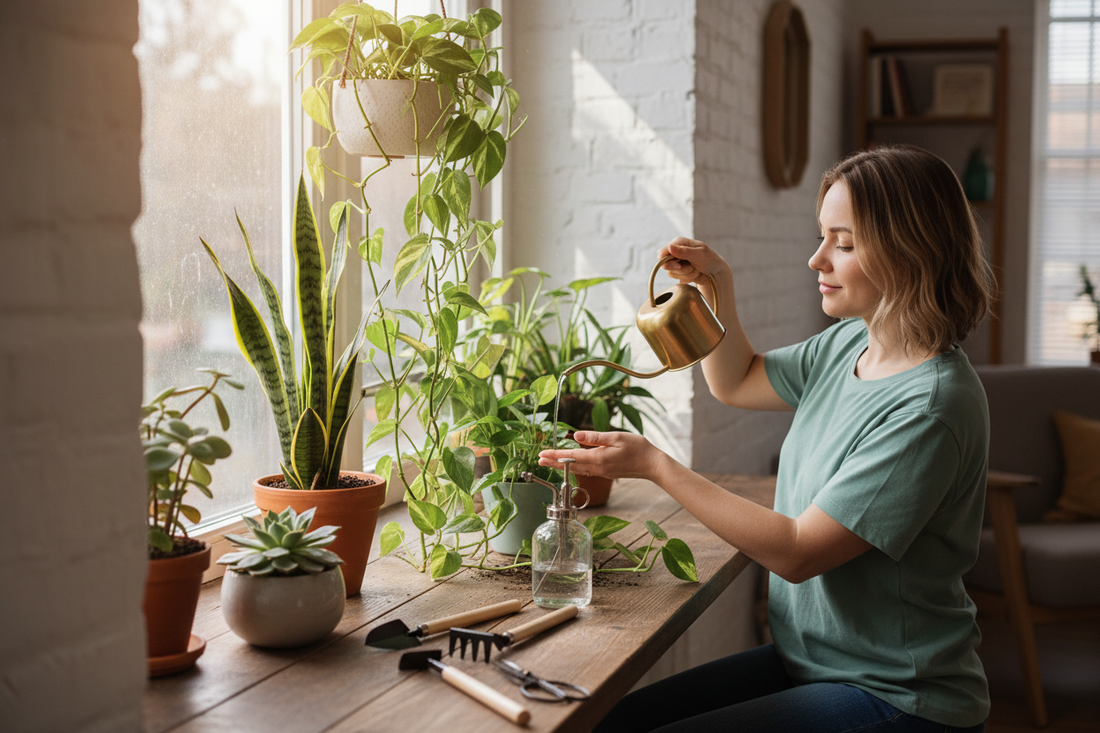
Healthy plant care begins not with more effort, but with better understanding of natural growth patterns.
Ignoring Light Requirements of Indoor Plants
Another major mistake made by beginners is placing plants in locations without considering their light requirements. Each plant species has specific needs when it comes to direct sunlight, indirect light, or shaded environments. When plants are placed in unsuitable lighting conditions, their growth slows down, leaves may lose color, and overall health gradually declines even if watering and soil conditions are properly maintained throughout the care routine.
Understanding how natural light moves through a home during the day can significantly improve plant placement decisions. Some areas receive bright morning light, while others remain shaded for most of the day. Matching plants to these natural light zones helps ensure healthier growth and reduces the chances of unnecessary plant stress, making indoor gardening a more predictable and rewarding experience for beginners.
Using Incorrect Soil and Pot Conditions
Soil quality plays a crucial role in plant health, yet it is often overlooked by beginners who assume any basic soil will work for all plants. In reality, different plants require different soil compositions to support proper drainage, nutrient absorption, and root development. Using the wrong soil type can restrict root growth and create water retention issues that negatively affect long-term plant stability and health.
Similarly, pot selection is equally important, especially when it comes to drainage systems. Pots without proper drainage holes can trap excess water, leading to root rot and fungal growth over time. Choosing appropriate containers that allow natural water flow helps maintain a balanced environment where roots can breathe and grow freely, supporting stronger and more resilient plant development in indoor settings.
Neglecting Consistency in Plant Care
Many beginners start with enthusiasm but struggle to maintain consistency in their plant care routines. Irregular watering, sudden environmental changes, and inconsistent maintenance habits can stress plants and disrupt their natural growth cycles. Plants respond best to stable conditions where light, water, and temperature remain relatively predictable over time, allowing them to adapt and grow without unnecessary shock or imbalance.
Building a simple and consistent care routine helps eliminate confusion and reduces the likelihood of mistakes. Observing plant behavior regularly, checking soil conditions before watering, and maintaining a stable environment can significantly improve plant health outcomes. Over time, this consistency becomes intuitive, turning plant care into a natural part of daily living rather than a difficult task.
Conclusion: Learning Through Better Awareness
Plant care becomes significantly easier once the most common beginner mistakes are understood and avoided. Most issues arise not from complexity, but from misalignment between plant needs and human assumptions. By focusing on observation, consistency, and basic environmental understanding, anyone can successfully grow and maintain healthy indoor plants without unnecessary difficulty or frustration.
TheGreeneGallery focuses on simplifying plant knowledge and making it accessible for everyday living, helping individuals build confidence in plant care through clear understanding and practical awareness. With the right guidance, plant care becomes a rewarding experience that enhances both living spaces and personal well-being over time.
Leave a Reply