
Best Plants for Office & Home Spaces: A Complete Guide to Modern Green Living
Modern living spaces are increasingly designed around comfort, productivity, and emotional well-being, and plants have become an essential part of this transformation. Whether it is a home environment or a professional office setting, the presence of greenery significantly improves the overall atmosphere by adding freshness, reducing visual stress, and creating a more balanced environment. Plants are no longer just decorative elements; they are now considered functional components of interior design that influence mood, focus, and lifestyle quality in meaningful ways across different types of spaces.
In office environments, the right selection of plants can directly contribute to improved concentration, reduced fatigue, and a more calming work atmosphere. Many studies and practical observations show that natural elements within workspaces help reduce stress levels and improve cognitive performance over extended working hours. Plants such as low-maintenance indoor varieties are especially suitable for offices because they require minimal care while continuously enhancing air quality and visual comfort, making work environments more pleasant and productive throughout the day.
A well-placed plant does more than decorate a space — it changes how the space feels, functions, and supports daily life.
Plants for Home Spaces and Daily Living Environments
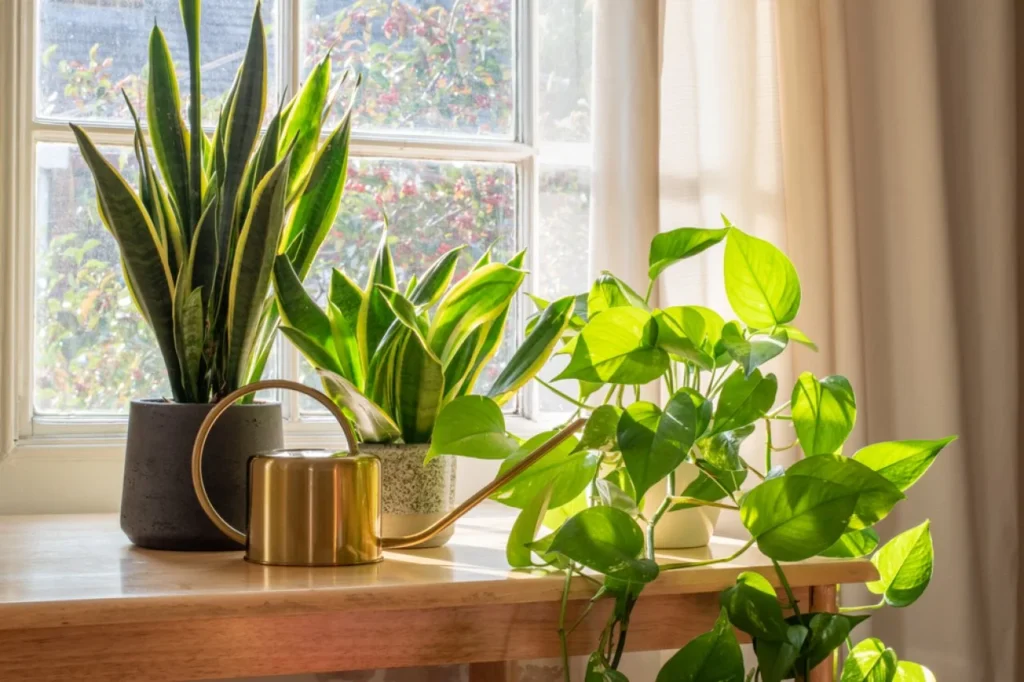
Home environments benefit greatly from thoughtfully chosen plants that enhance comfort, relaxation, and aesthetic harmony. Unlike offices, residential spaces allow for more personalized plant selection based on lighting conditions, room size, and interior design style. Bedrooms, living rooms, kitchens, and balconies each have different environmental conditions, which means plant selection must be adapted carefully to ensure both visual appeal and healthy plant growth within the space over time.
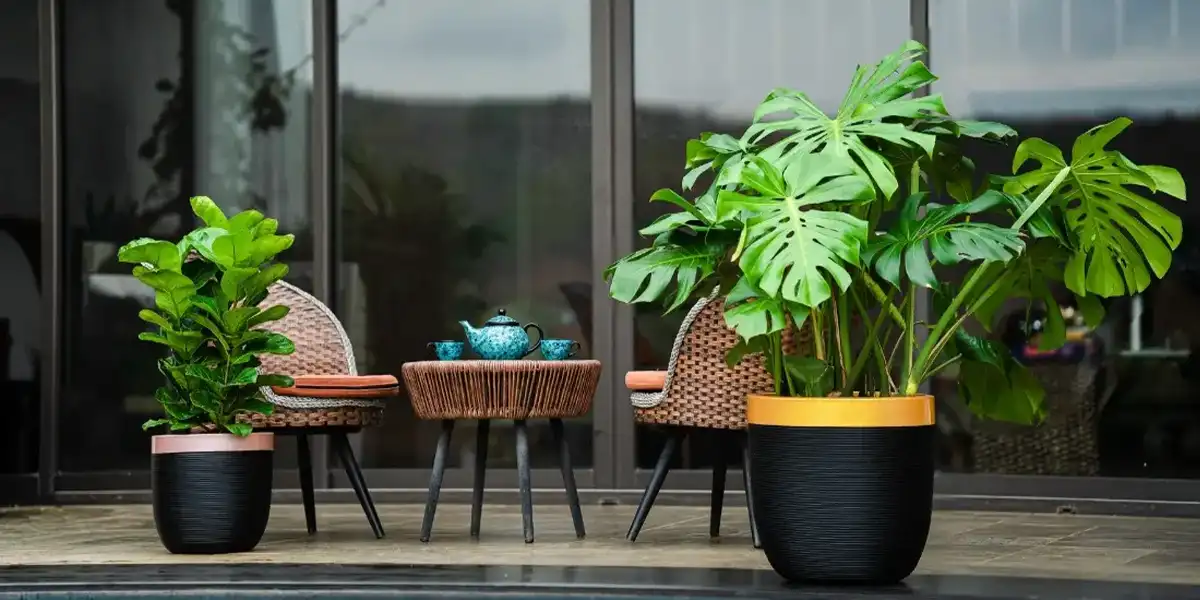
In living rooms, larger decorative plants often become focal points that define the character of the interior design, while smaller plants are used to complement shelves, corners, and tables. Bedrooms typically require plants that promote calmness and do not demand excessive maintenance, contributing to a peaceful sleeping environment. Kitchens and balconies, on the other hand, allow for more functional plant usage, including herbs and sun-loving varieties that thrive in active and bright conditions.
Understanding Low-Maintenance Plants for Beginners
For individuals who are new to plant care, selecting low-maintenance plants is the most effective way to build confidence and long-term interest in indoor greenery. Beginner-friendly plants are typically resilient, adaptable to varying light conditions, and require minimal watering schedules, making them ideal for busy lifestyles. These plants help users gradually understand the basics of plant care without the risk of frequent plant failure or maintenance challenges that can discourage long-term engagement.
As beginners become more comfortable with plant care routines, they naturally begin to explore more diverse plant varieties and styling techniques for their spaces. This gradual learning process allows individuals to develop a deeper understanding of how plants interact with different environmental conditions, including humidity, temperature, and light exposure. Over time, plant care becomes less of a task and more of a natural part of maintaining a balanced and visually pleasing living environment.
Office Greenery and Productivity Enhancement
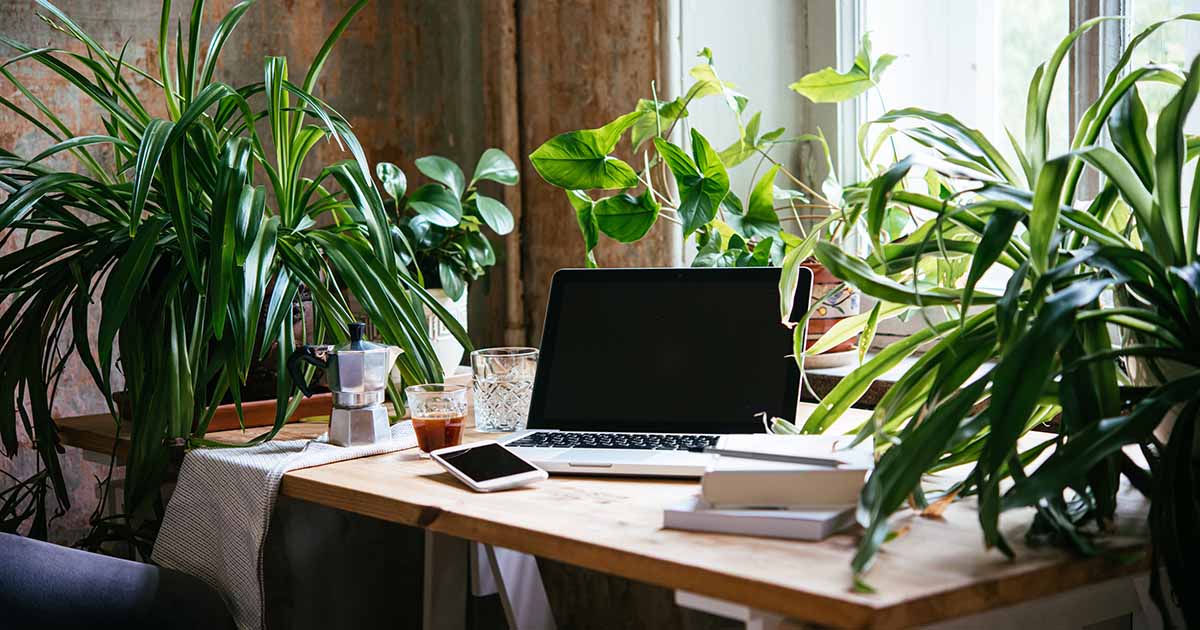
The integration of plants into office spaces is increasingly recognized as a key factor in improving workplace productivity and employee well-being. Green environments help reduce mental fatigue and provide visual relief from long hours of screen exposure, which is especially important in modern digital work settings. Even small additions of greenery can create noticeable changes in the overall energy and atmosphere of a workspace, making it feel more open, refreshing, and less stressful.
In addition to psychological benefits, office plants also contribute to improved air quality and humidity balance, which further enhances physical comfort in enclosed environments. When placed strategically across desks, meeting rooms, and reception areas, plants help create a consistent design language that reflects professionalism while maintaining a natural and welcoming atmosphere. This balance between functionality and aesthetics makes greenery an essential element in modern office design strategies.
Conclusion: Building Better Spaces with Plants
The use of plants in both home and office environments represents a growing shift toward healthier, more mindful, and aesthetically conscious living. By selecting the right plants for specific spaces, individuals can significantly improve the quality of their surroundings while also supporting emotional well-being and productivity. Plants offer a unique combination of beauty and functionality that makes them suitable for nearly every type of modern interior space, regardless of size or purpose.
TheGreeneGallery focuses on guiding individuals through this journey of creating better spaces using plants, combining practical knowledge with thoughtful design principles. Through careful plant selection, space-based recommendations, and simplified care understanding, it becomes possible to transform everyday environments into more natural, balanced, and visually calming places. This approach ensures that greenery is not just added to a space, but meaningfully integrated into how people live and work every day.
Leave a Reply